

What is the pressure adjustment range in an Automatic Box Gluing Machine?
Nov 20, 2025
As a supplier of Automatic Box Gluing Machines, I often encounter inquiries from customers regarding the pressure adjustment range in these machines. Understanding the pressure adjustment range is crucial for ensuring the quality and efficiency of box gluing operations. In this blog post, I will delve into the details of the pressure adjustment range in an Automatic Box Gluing Machine, exploring its significance, factors influencing it, and practical considerations for optimal performance.
Significance of Pressure Adjustment Range
The pressure adjustment range in an Automatic Box Gluing Machine plays a vital role in achieving precise and consistent gluing results. Different types of boxes, materials, and gluing requirements demand specific pressure settings to ensure proper adhesion and a strong bond between the box components. By having a wide and adjustable pressure range, the machine can accommodate various box sizes, thicknesses, and materials, providing flexibility and versatility in the gluing process.
Proper pressure adjustment is essential for preventing issues such as weak bonds, glue seepage, and misaligned box components. Insufficient pressure may result in poor adhesion, causing the boxes to come apart during handling or transportation. On the other hand, excessive pressure can lead to glue squeeze-out, messy joints, and damage to the box materials. Therefore, the ability to fine-tune the pressure according to the specific requirements of each job is crucial for achieving high-quality box gluing.
Factors Influencing the Pressure Adjustment Range
Several factors influence the pressure adjustment range in an Automatic Box Gluing Machine. Understanding these factors can help operators make informed decisions when setting the pressure for different box gluing tasks.
Box Material and Thickness
The type and thickness of the box material are significant factors that determine the appropriate pressure setting. Thicker and more rigid materials, such as corrugated cardboard, generally require higher pressure to ensure proper adhesion. On the other hand, thinner and more delicate materials, such as paperboard or cardstock, may require lower pressure to avoid damage. The machine's pressure adjustment range should be able to accommodate the varying needs of different box materials and thicknesses.
Glue Type and Viscosity
The type and viscosity of the glue used in the box gluing process also affect the pressure adjustment. Different glues have different adhesive properties and require specific pressure settings to achieve optimal bonding. For example, high-viscosity glues may require higher pressure to spread evenly and penetrate the box materials, while low-viscosity glues may require lower pressure to prevent excessive squeeze-out. The pressure adjustment range should be adjustable to suit the characteristics of the glue being used.
Box Design and Configuration
The design and configuration of the box, including the number of folds, joints, and flaps, can also influence the pressure adjustment. Complex box designs with multiple folds and joints may require higher pressure to ensure proper adhesion at all points. Additionally, the shape and size of the box can affect the distribution of pressure during the gluing process. The machine's pressure adjustment range should be able to adapt to the specific requirements of different box designs and configurations.
Production Speed
The production speed of the Automatic Box Gluing Machine can also impact the pressure adjustment. Higher production speeds may require higher pressure to ensure that the glue has enough time to bond properly before the boxes are ejected from the machine. Conversely, lower production speeds may allow for lower pressure settings, as the glue has more time to dry and cure. The pressure adjustment range should be adjustable to accommodate different production speeds and ensure consistent gluing quality.
Practical Considerations for Optimal Pressure Adjustment
To achieve optimal pressure adjustment in an Automatic Box Gluing Machine, operators should consider the following practical tips:
Conduct Test Runs
Before starting a large-scale production run, it is advisable to conduct test runs with sample boxes to determine the appropriate pressure setting. This allows operators to fine-tune the pressure based on the specific characteristics of the box material, glue, and design. Test runs also provide an opportunity to identify any potential issues or adjustments that may be needed before committing to a full production batch.
Monitor Gluing Quality
During the production process, operators should continuously monitor the gluing quality to ensure that the pressure setting is appropriate. This can be done by visually inspecting the boxes for signs of weak bonds, glue seepage, or misaligned components. If any issues are detected, the pressure setting should be adjusted accordingly to improve the gluing quality.
Keep the Machine Clean and Maintained
Regular cleaning and maintenance of the Automatic Box Gluing Machine are essential for ensuring optimal performance and accurate pressure adjustment. Over time, glue residue, dust, and debris can accumulate in the machine, affecting the pressure distribution and causing inconsistent gluing results. By keeping the machine clean and well-maintained, operators can ensure that the pressure adjustment range remains accurate and reliable.
Train Operators on Pressure Adjustment
Proper training of operators on pressure adjustment is crucial for achieving consistent and high-quality box gluing. Operators should be familiar with the machine's pressure adjustment controls and understand how to adjust the pressure based on the specific requirements of each job. Training should also include guidelines on conducting test runs, monitoring gluing quality, and troubleshooting common pressure-related issues.

Conclusion
In conclusion, the pressure adjustment range in an Automatic Box Gluing Machine is a critical factor that directly impacts the quality and efficiency of box gluing operations. By understanding the significance of pressure adjustment, the factors influencing it, and the practical considerations for optimal performance, operators can ensure that the machine is set to the appropriate pressure for each job. This not only results in high-quality box gluing but also improves productivity, reduces waste, and enhances customer satisfaction.
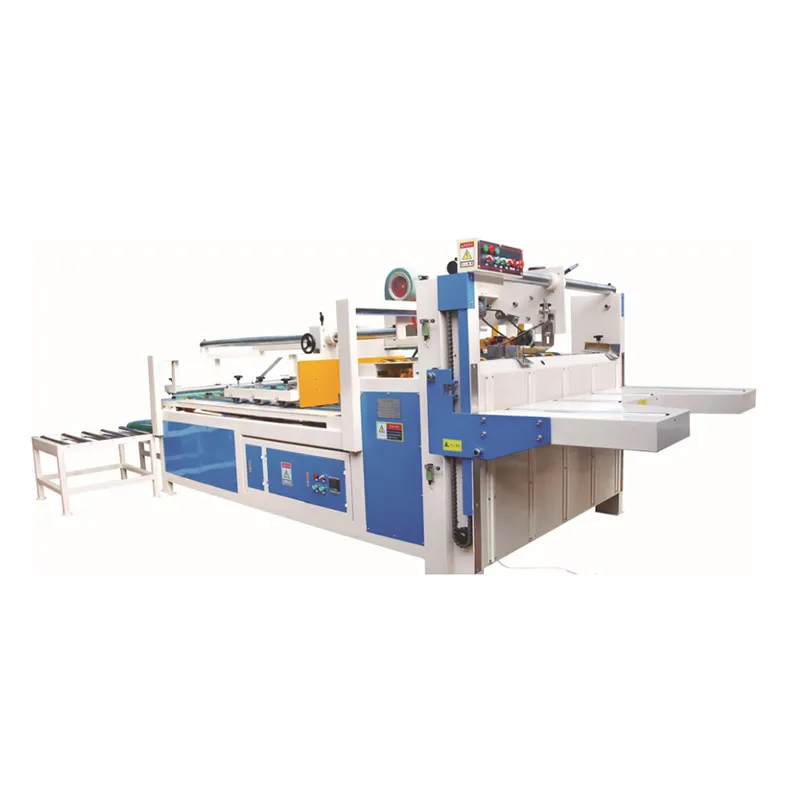
As a supplier of Automatic Box Gluing Machines, we offer a range of machines with adjustable pressure settings to meet the diverse needs of our customers. Our Carton Box Pasting Machine, Cardboard Gluing Machine, and Automatic Carton Folder Gluer Machine are designed to provide precise and consistent pressure adjustment, ensuring optimal gluing results for various box materials and designs.
If you are interested in learning more about our Automatic Box Gluing Machines or have any questions regarding pressure adjustment, please feel free to contact us. Our team of experts is ready to assist you in finding the right machine for your specific requirements and providing you with the support and guidance you need to achieve the best possible box gluing results.
References
- "Box Gluing Machine Operation Manual," Manufacturer's Manual, [Manufacturer Name], [Year of Publication].
- "Glue Application and Bonding Principles," Technical Guide, [Glue Manufacturer Name], [Year of Publication].
- "Best Practices for Box Gluing," Industry White Paper, [Industry Association Name], [Year of Publication].