

Can a Mono Carton Printing Machine print on different materials?
Jun 05, 2025
In the packaging industry, the versatility of printing machines is a crucial factor for businesses looking to expand their product offerings and meet diverse customer demands. As a reputable supplier of Mono Carton Printing Machines, I am often asked whether these machines can print on different materials. In this blog post, I will delve into this question, exploring the capabilities of Mono Carton Printing Machines and the various materials they can handle.
Understanding Mono Carton Printing Machines
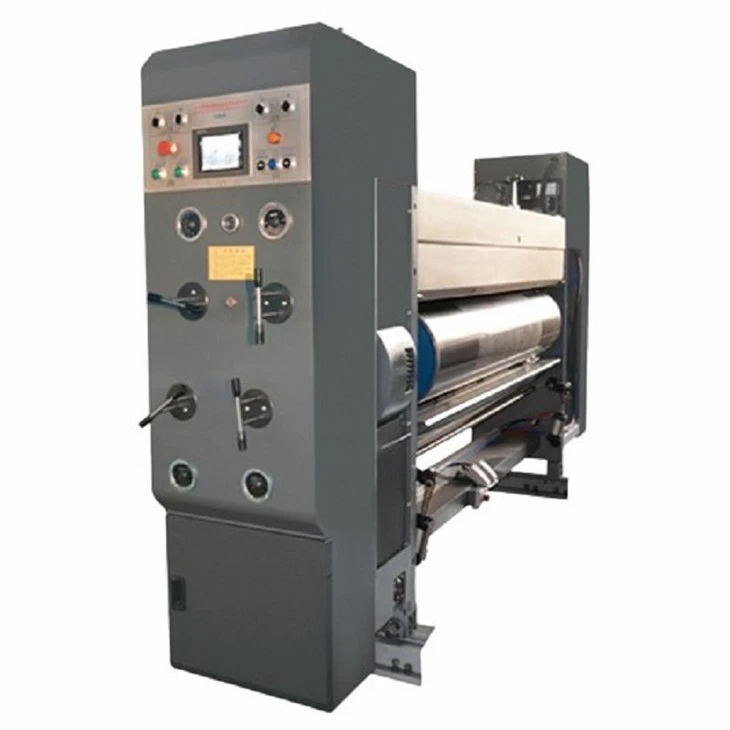
Mono Carton Printing Machines are specifically designed to print on single - layer carton materials. These machines are known for their precision, high - speed operation, and ability to produce high - quality prints. They utilize advanced printing technologies such as offset, flexography, or digital printing to transfer images, text, and graphics onto the carton surface.
The key advantage of Mono Carton Printing Machines is their efficiency in handling large - scale production runs. They are equipped with features like automatic feeding, registration control, and drying systems, which ensure consistent and accurate printing results. Additionally, these machines can be customized to meet specific printing requirements, such as different print sizes, colors, and finishes.
Materials Compatible with Mono Carton Printing Machines
1. Cardboard
Cardboard is one of the most commonly used materials for mono cartons. It is a sturdy and cost - effective option that provides good protection for the products inside. Mono Carton Printing Machines can easily print on different grades of cardboard, including coated and uncoated varieties. Coated cardboard offers a smooth surface for high - resolution printing, making it ideal for products that require detailed graphics and vibrant colors. Uncoated cardboard, on the other hand, has a more natural look and feel, which is suitable for eco - friendly or rustic - themed packaging.
When printing on cardboard, the machine's ink adhesion and drying mechanisms are optimized to ensure that the print adheres well to the surface and dries quickly. This prevents smudging and ensures a sharp and clear print.
2. Paperboard
Paperboard is another popular material for mono cartons. It is thinner and lighter than cardboard, making it suitable for products that do not require heavy - duty protection. Paperboard is often used for packaging items such as cosmetics, pharmaceuticals, and food products. Mono Carton Printing Machines can print on paperboard with high precision, thanks to their advanced registration systems.
The printing process on paperboard may require adjustments in ink viscosity and drying time, as paperboard absorbs ink differently compared to cardboard. However, modern Mono Carton Printing Machines are equipped with sensors and control systems that can automatically adjust these parameters to achieve the best printing results.
3. Corrugated Paper
Corrugated paper is a unique material that consists of a fluted layer sandwiched between two flat linerboards. It provides excellent strength and cushioning, making it ideal for shipping and protecting fragile products. Our Corrugated Paper Printing Machine is designed to handle corrugated paper with ease.
Printing on corrugated paper can be challenging due to its uneven surface. However, Mono Carton Printing Machines use specialized printing techniques and inks to ensure that the print is clear and legible. The flexographic printing method is often preferred for corrugated paper, as it can adapt to the uneven surface and provide good ink coverage.
4. Plastic - Coated Materials
Plastic - coated materials are becoming increasingly popular in the packaging industry due to their moisture resistance and durability. Mono Carton Printing Machines can print on plastic - coated cardboard or paperboard, providing a waterproof and long - lasting print.
When printing on plastic - coated materials, the machine may require specific inks that are compatible with the plastic surface. These inks are designed to adhere well to the plastic and provide a high - quality finish. Additionally, the drying process may need to be adjusted to ensure that the ink cures properly on the plastic surface.

Factors Affecting Printing on Different Materials
1. Surface Texture
The surface texture of the material plays a significant role in the printing process. Smooth surfaces, such as coated cardboard and plastic - coated materials, are easier to print on as they allow for better ink adhesion and higher resolution prints. Rough or porous surfaces, like uncoated cardboard and some types of paperboard, may require more ink and a different printing technique to achieve a clear and sharp print.
2. Absorbency
The absorbency of the material affects how the ink is absorbed and dried. Materials with high absorbency, such as uncoated paperboard, may require more ink to achieve a saturated print, and the drying time may be longer. On the other hand, non - absorbent materials, like plastic - coated materials, may require special inks and drying methods to ensure proper adhesion and curing.
3. Thickness and Rigidity
The thickness and rigidity of the material can also impact the printing process. Thicker and more rigid materials, such as cardboard and corrugated paper, may require a more robust printing machine with a higher - pressure printing mechanism. Thinner materials, like paperboard, can be printed on using machines with lower pressure settings.
Advantages of Using a Mono Carton Printing Machine for Different Materials
1. Cost - Efficiency
Using a single Mono Carton Printing Machine to print on different materials can significantly reduce costs for businesses. Instead of investing in multiple printing machines for different materials, a single machine can handle a wide range of materials, saving on equipment purchase, maintenance, and training costs.
2. Flexibility
The ability to print on different materials gives businesses the flexibility to offer a variety of packaging options to their customers. They can easily switch between materials based on the product requirements, customer preferences, or market trends.
3. Quality Assurance
Modern Mono Carton Printing Machines are equipped with advanced quality control systems that ensure consistent and high - quality prints across different materials. These systems can detect and correct any printing errors, such as misregistration or color variations, in real - time, ensuring that the final product meets the highest standards.
Conclusion
In conclusion, Mono Carton Printing Machines are highly versatile and can print on a wide range of materials, including cardboard, paperboard, corrugated paper, and plastic - coated materials. By understanding the characteristics of different materials and adjusting the printing parameters accordingly, these machines can produce high - quality prints that meet the diverse needs of the packaging industry.
If you are in the market for a reliable Printing Machine for Carton Box or a Flexo Printing Machine for Corrugated Carton, we invite you to contact us for more information. Our team of experts can provide you with detailed product specifications, pricing, and technical support. Whether you are a small - scale business or a large - scale manufacturer, we have the right printing solution for you. Let's start a conversation and explore how our Mono Carton Printing Machines can enhance your packaging operations.
References
- Packaging Machinery Manufacturers Institute (PMMI). (2023). Trends in Packaging Printing Technology.
- Smith, J. (2022). The Handbook of Packaging Materials and Printing Processes.
- International Society of Printing Science and Technology. (2021). Advances in Carton Printing Technology.