

What is the material of the gluing rollers in an Automatic Box Gluing Machine?
Aug 07, 2025
Hey there! As a supplier of Automatic Box Gluing Machines, I often get asked about what materials are used for the gluing rollers in these machines. It's a pretty crucial part of the whole box - gluing process, so I'm gonna dive right into it and share everything I know.
First off, let's understand why the material of the gluing rollers matters. The gluing rollers are responsible for applying glue evenly onto the box flaps. The right material ensures smooth operation, proper glue transfer, and long - term durability. Using the wrong material can lead to uneven glue application, which means poorly glued boxes and a lot of wasted time and resources.
Rubber
One of the most commonly used materials for gluing rollers is rubber. Rubber has a lot going for it. It's flexible, which allows it to conform to the shape of the box flaps as it applies the glue. This flexibility also helps in providing a consistent pressure across the surface, ensuring an even layer of glue.
There are different types of rubber that can be used. Natural rubber is known for its high elasticity and good grip. It can handle a wide range of glue viscosities, from thin water - based glues to thicker adhesive pastes. However, natural rubber may not be the best choice in environments where it's exposed to chemicals or high temperatures for long periods. It can degrade over time under such conditions.
Synthetic rubbers, on the other hand, offer more resistance to chemicals and heat. For example, neoprene rubber is quite popular. It's resistant to oil, ozone, and many common solvents. This makes it suitable for use with different types of glues, including some industrial - grade adhesives. Another synthetic option is nitrile rubber, which is great for applications where there's a lot of contact with petroleum - based products. If your gluing process involves using glues with some petroleum components, nitrile rubber rollers can be a reliable choice.
Silicon
Silicon is another material that's used for gluing rollers, especially in more specialized applications. Silicon rollers have excellent heat resistance. This is a huge advantage if your box - gluing process involves high - temperature drying or curing of the glue. For instance, in some high - speed production lines, the glue needs to dry quickly, and high - temperature drying methods are employed. Silicon rollers can withstand these conditions without deforming or losing their performance.
Silicon also has a non - stick property. This means that glue is less likely to stick to the roller surface, reducing the need for frequent cleaning. It makes the operation more efficient and helps in maintaining a clean working environment. However, silicon rollers can be a bit more expensive compared to rubber ones. So, they're usually used in situations where their unique properties are really needed.
Metal
Metal gluing rollers are also an option, although they're not as common as rubber or silicon ones. Stainless steel is a popular choice for metal rollers. It's very durable and resistant to corrosion. This makes it suitable for use in harsh industrial environments where there may be exposure to moisture, chemicals, or abrasive substances.
Metal rollers can provide a very smooth surface for glue application. They can be precision - machined to ensure an accurate and consistent glue layer. However, they lack the flexibility of rubber rollers. This means that they may not be as effective in conforming to irregularly shaped box flaps. Also, metal rollers can be heavy, which may require more powerful motors to drive them, increasing energy consumption.
Choosing the Right Material
When it comes to choosing the material for the gluing rollers in your Automatic Box Gluing Machine, there are several factors to consider.

The type of glue you're using is a major factor. If you're using a water - based glue, rubber rollers are usually a good choice. They can handle the viscosity of water - based glues well and provide an even application. However, if you're working with a high - temperature curing glue, silicon rollers might be more appropriate.
The speed of your production line also matters. In high - speed production, you need rollers that can keep up with the pace. Rollers made of materials that are less likely to wear out quickly, like silicon or high - quality synthetic rubbers, are better suited for high - speed operations.
The shape and size of the boxes you're gluing are important too. If you're dealing with a variety of box shapes, including those with irregular edges, rubber rollers with their flexibility can adapt better. For more standardized box sizes, metal rollers may work well.
Our Machines and Roller Materials
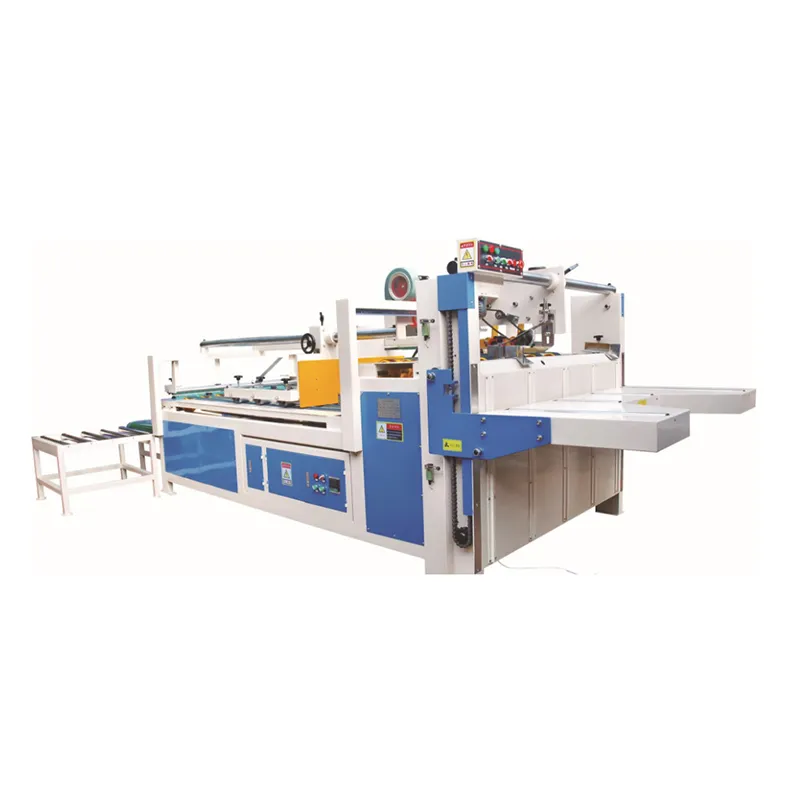
At our company, we offer a range of Automatic Box Gluing Machines, including the Mono Carton Pasting Machine, Automatic Carton Folding Gluing Machine, and Cardboard Gluing Machine. We understand that different customers have different needs, so we provide options for different roller materials.
We can customize the gluing rollers according to your specific requirements. Whether you need rubber rollers for a general - purpose application or silicon rollers for a high - temperature process, we've got you covered. Our goal is to ensure that your box - gluing process runs smoothly and efficiently, and the right choice of roller material is a big part of that.
Contact Us for More
If you're in the market for an Automatic Box Gluing Machine or need to replace the gluing rollers in your existing machine, we'd love to hear from you. We can provide you with detailed information about the different roller materials and help you make the best choice for your production needs. Just reach out to us, and our team of experts will be happy to assist you in your purchasing decision.
References
- "Industrial Roller Manufacturing Handbook"
- "Materials Science for Packaging Machinery"
- "Glue Application Techniques in Box Manufacturing"