

What is the difference between flexo and offset carton printing machines?
Dec 16, 2025
In the dynamic world of packaging, carton printing machines play a pivotal role in bringing products to life on the shelves. As a leading supplier of carton printing machines, I often encounter inquiries about the differences between flexo and offset carton printing machines. Understanding these differences is crucial for businesses looking to invest in the right printing technology to meet their specific needs. In this blog post, I will delve into the intricacies of flexo and offset printing, highlighting their unique features, advantages, and limitations.
Flexo Carton Printing Machines
Flexo printing, short for flexographic printing, is a widely used printing method in the packaging industry. It involves the use of flexible relief plates made of rubber or photopolymer to transfer ink onto the substrate. Flexo printing machines are known for their versatility, speed, and cost-effectiveness, making them a popular choice for printing on a variety of materials, including corrugated board, cardboard, paper, and plastic.
One of the key advantages of flexo printing is its ability to print on uneven or porous surfaces. The flexible plates conform to the shape of the substrate, allowing for consistent ink transfer and high-quality printing results. This makes flexo printing ideal for printing on corrugated board and other rough or textured materials that are commonly used in the packaging industry.
Another advantage of flexo printing is its high-speed production capabilities. Flexo printing machines can operate at speeds of up to 1,000 feet per minute, allowing for large-volume production runs to be completed quickly and efficiently. This makes flexo printing a cost-effective option for businesses that require high-volume printing of cartons and packaging materials.

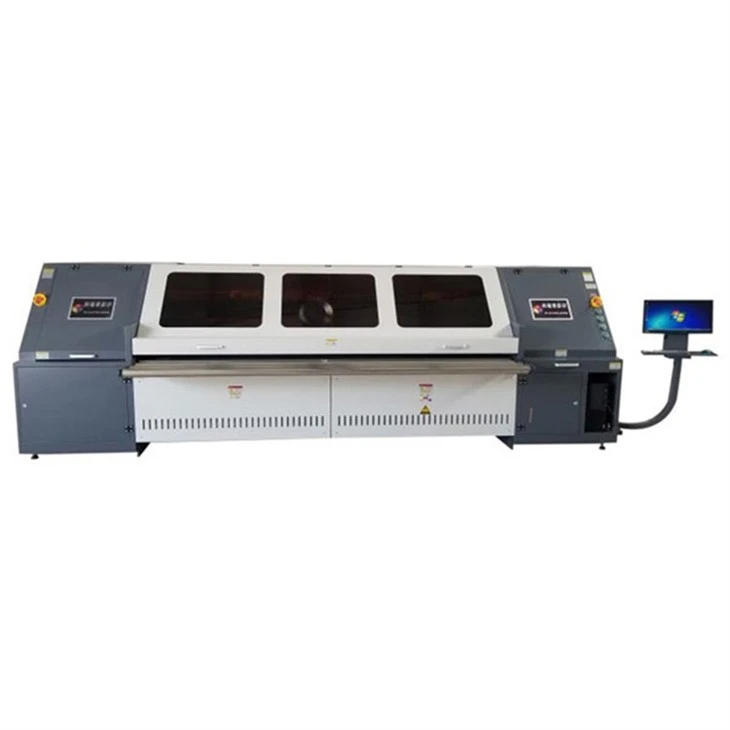
Flexo printing also offers a wide range of ink options, including water-based, solvent-based, and UV-curable inks. Water-based inks are environmentally friendly and offer good adhesion and print quality on a variety of substrates. Solvent-based inks are known for their fast drying times and high durability, making them suitable for printing on non-porous materials such as plastic and metal. UV-curable inks offer excellent print quality and scratch resistance, and they can be cured instantly using UV light, allowing for high-speed production and reduced drying times.
However, flexo printing also has some limitations. One of the main limitations of flexo printing is its relatively low resolution compared to offset printing. Flexo printing typically has a maximum resolution of around 150 lines per inch (lpi), which may not be suitable for printing high-resolution images or fine details. Additionally, flexo printing requires the use of specialized plates and inks, which can increase the upfront costs of printing.
Offset Carton Printing Machines
Offset printing, also known as lithographic printing, is a traditional printing method that has been used for many years in the printing industry. It involves the use of a flat plate to transfer ink onto a rubber blanket, which then transfers the ink onto the substrate. Offset printing machines are known for their high-quality printing results, excellent color reproduction, and ability to print on a wide range of materials, including paper, cardboard, and plastic.
One of the key advantages of offset printing is its high resolution and ability to print fine details and sharp images. Offset printing typically has a maximum resolution of around 300 lines per inch (lpi), which is significantly higher than flexo printing. This makes offset printing ideal for printing high-quality brochures, magazines, and other printed materials that require sharp images and fine details.
Another advantage of offset printing is its ability to produce consistent color results. Offset printing machines use a precise color matching system to ensure that the colors in the printed material match the colors in the original design. This makes offset printing a popular choice for printing brand logos, packaging materials, and other printed materials that require accurate color reproduction.
Offset printing also offers a wide range of paper options, including coated and uncoated papers, which can be used to achieve different finishes and textures. Coated papers are smooth and shiny, and they offer excellent print quality and color reproduction. Uncoated papers are more porous and have a matte finish, which can give the printed material a more natural and organic look.
However, offset printing also has some limitations. One of the main limitations of offset printing is its relatively high setup costs. Offset printing requires the use of specialized plates and printing presses, which can be expensive to purchase and maintain. Additionally, offset printing is not suitable for printing on irregular or porous surfaces, as the ink may not adhere properly to the substrate.
Comparison between Flexo and Offset Carton Printing Machines
Now that we have a better understanding of flexo and offset printing machines, let's compare them side by side to highlight their differences and similarities.
Printing Quality
Offset printing offers higher resolution and better image quality compared to flexo printing. Offset printing can produce sharp images and fine details, making it ideal for printing high-quality brochures, magazines, and other printed materials. Flexo printing, on the other hand, has a lower resolution and is better suited for printing on rough or textured surfaces, such as corrugated board and cardboard.
Speed and Efficiency
Flexo printing machines are generally faster and more efficient than offset printing machines. Flexo printing can operate at speeds of up to 1,000 feet per minute, allowing for large-volume production runs to be completed quickly and efficiently. Offset printing, on the other hand, is a slower process and requires more setup time, making it less suitable for high-volume production runs.
Cost
Flexo printing is generally more cost-effective than offset printing, especially for large-volume production runs. Flexo printing machines are less expensive to purchase and maintain, and they require less setup time and materials. Offset printing, on the other hand, has higher setup costs and requires more expensive plates and printing presses.
Substrate Compatibility
Flexo printing is more versatile than offset printing when it comes to substrate compatibility. Flexo printing can print on a wide range of materials, including corrugated board, cardboard, paper, and plastic. Offset printing, on the other hand, is best suited for printing on smooth and non-porous surfaces, such as paper and cardboard.
Conclusion
In conclusion, both flexo and offset carton printing machines have their own unique features, advantages, and limitations. The choice between flexo and offset printing depends on a variety of factors, including the type of substrate, the printing quality required, the volume of production, and the budget. As a supplier of carton printing machines, I can help you choose the right printing technology for your specific needs. Whether you need a Corrugated Sheet Printing Machine, a Mono Carton Printing Machine, or a Corrugated Board Printing Machine, I have the expertise and experience to provide you with the best solution.
If you are interested in learning more about our carton printing machines or discussing your printing needs, please feel free to contact us. Our team of experts is always available to answer your questions and provide you with personalized advice and recommendations. We look forward to hearing from you and helping you take your packaging to the next level.
References
- "Flexographic Printing." Wikipedia. Wikimedia Foundation, n.d. Web.
- "Offset Printing." Wikipedia. Wikimedia Foundation, n.d. Web.
- "Carton Printing Machines." Packaging Digest. Reed Business Information, n.d. Web.