

How to calibrate a carton box folding machine?
Jul 09, 2025
Calibrating a carton box folding machine is a crucial process that ensures the machine operates at its optimal performance, producing high - quality carton boxes consistently. As a reputable supplier of carton box folding machines, I understand the importance of this calibration process and am here to guide you through it.
Why Calibration is Necessary
Before delving into the calibration process, it's essential to understand why calibration is necessary. A well - calibrated carton box folding machine guarantees accurate folding dimensions, which is vital for the proper assembly and functionality of the carton boxes. Inaccurate folding can lead to issues such as misaligned flaps, loose joints, and inconsistent box sizes. These problems not only affect the aesthetic appeal of the cartons but also their structural integrity, potentially leading to product damage during shipping and storage.
Moreover, calibration helps in reducing waste. When a machine is not calibrated correctly, it may produce a significant number of defective cartons, which need to be discarded. This not only increases production costs but also has a negative impact on the environment. By ensuring proper calibration, you can minimize waste and improve the overall efficiency of your production line.
Pre - calibration Checks
Before starting the calibration process, it's important to perform a series of pre - calibration checks. First, inspect the machine for any visible signs of damage or wear. Check the belts, gears, and other moving parts for any signs of fraying, cracking, or misalignment. Any damaged parts should be replaced immediately to prevent further issues during calibration and operation.
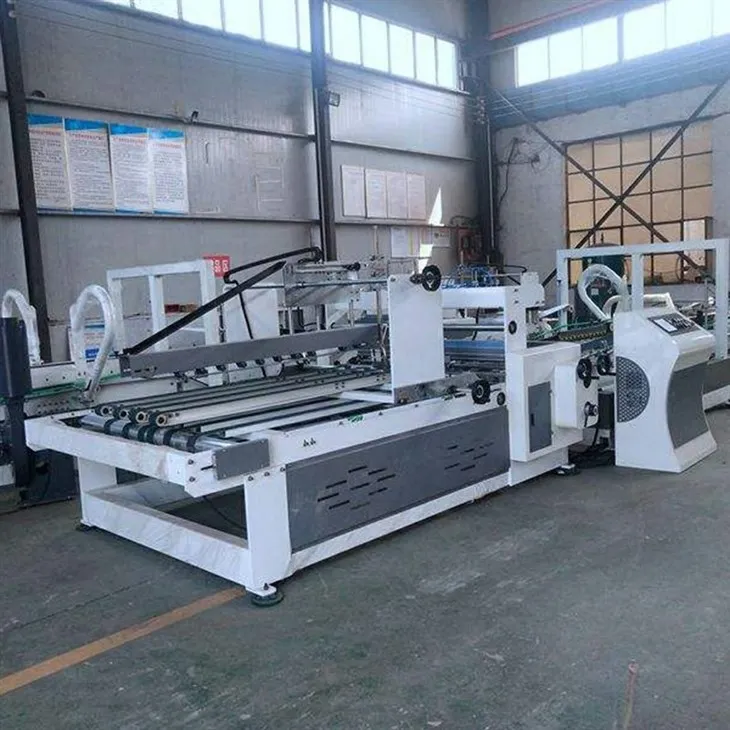

Next, clean the machine thoroughly. Dust, debris, and adhesive residue can accumulate on the machine's surfaces over time, which can affect its performance. Use a clean, dry cloth to wipe down all the accessible parts of the machine, including the folding plates, guides, and rollers. Pay special attention to the areas where the carton boxes come into contact with the machine, as any dirt or debris in these areas can cause scratches or marks on the boxes.
Also, check the lubrication levels of the machine. Proper lubrication is essential for the smooth operation of the moving parts. Refer to the machine's manual to determine the appropriate lubricant and the recommended lubrication intervals. Add lubricant as needed to ensure that all the moving parts are well - lubricated.
Step - by - Step Calibration Process
1. Adjusting the Folding Plates
The folding plates are one of the most critical components of the carton box folding machine. They are responsible for creating the folds in the carton boxes. To calibrate the folding plates, start by measuring the width of the carton box that you will be producing. Adjust the distance between the folding plates according to the width of the box. Use a ruler or a caliper to ensure accurate measurements.
Next, check the angle of the folding plates. The angle should be set according to the type of fold required for the carton box. For example, a simple parallel fold may require a different angle than a more complex locking fold. Refer to the machine's manual for the recommended angles for different types of folds. Make small adjustments to the angle of the folding plates using the adjustment screws provided on the machine.
2. Setting the Guide Rails
The guide rails are used to guide the carton boxes through the folding process. They ensure that the boxes are fed into the machine correctly and that the folds are made in the right places. To calibrate the guide rails, first, adjust their height. The height of the guide rails should be set so that the carton box fits snugly between them without being too tight or too loose.
Next, check the alignment of the guide rails. They should be parallel to each other and to the folding plates. Use a straightedge or a laser alignment tool to ensure that the guide rails are properly aligned. Make any necessary adjustments to the position of the guide rails using the adjustment bolts on the machine.
3. Calibrating the Feeding System
The feeding system is responsible for feeding the carton blanks into the machine. A properly calibrated feeding system ensures a continuous and smooth flow of carton blanks. Start by adjusting the speed of the feeding system. The speed should be set according to the type and thickness of the carton material. Thicker materials may require a slower feeding speed to ensure accurate folding.
Check the pressure of the feeding rollers. The rollers should apply enough pressure to grip the carton blanks firmly but not so much that they damage the material. Adjust the pressure of the feeding rollers using the pressure adjustment knobs on the machine.
4. Testing the Machine
After making all the necessary adjustments, it's time to test the machine. Feed a few sample carton blanks into the machine and observe the folding process. Check the quality of the folds. The folds should be clean, sharp, and consistent. If the folds are not satisfactory, make further adjustments to the folding plates, guide rails, or feeding system as needed.
Measure the dimensions of the folded carton boxes. The dimensions should match the specifications of the carton box that you are producing. If the dimensions are off, go back and make adjustments to the relevant components of the machine.
Post - calibration Maintenance
Once the machine has been calibrated successfully, it's important to perform regular post - calibration maintenance. This includes checking the machine's performance on a daily basis. Monitor the quality of the folded carton boxes, the speed of the machine, and the amount of waste produced. Any changes in these parameters may indicate that the machine needs further calibration or maintenance.
Clean the machine regularly to prevent the accumulation of dust, debris, and adhesive residue. Lubricate the moving parts at the recommended intervals to ensure smooth operation. Replace any worn - out parts as soon as possible to prevent breakdowns and to maintain the machine's performance.
Choosing the Right Carton Box Folding Machine
As a supplier, I offer a wide range of carton box folding machines to meet your specific needs. If you are looking for a Cardboard Box Folding Machine, we have models that are designed to handle different types of cardboard materials, from lightweight to heavy - duty. These machines are known for their precision and reliability, ensuring high - quality cardboard box production.
For those who require a more automated solution, our Automatic Carton Folding Machine is an excellent choice. These machines can significantly increase production efficiency by automating the folding process, reducing the need for manual labor.
If you are dealing with corrugated cardboard, our Corrugated Box Folding Machine is specifically designed to handle the unique challenges of corrugated materials. It can create precise folds in corrugated carton boxes, ensuring their structural integrity.
Conclusion
Calibrating a carton box folding machine is a complex but essential process. By following the steps outlined in this blog, you can ensure that your machine is calibrated correctly and operating at its best. Remember to perform regular pre - calibration checks, follow the step - by - step calibration process, and conduct post - calibration maintenance to keep your machine in top condition.
If you are in the market for a new carton box folding machine or need further assistance with calibration and maintenance, please don't hesitate to contact us. Our team of experts is always ready to help you find the right solution for your carton box production needs.
References
- Manufacturer's manual for the carton box folding machine
- Industry standards for carton box production and folding machine calibration
- Technical articles on carton box folding machine technology