

Can a Flute Laminator Machine work in a dusty environment?
Oct 06, 2025
Can a Flute Laminator Machine work in a dusty environment?
As a supplier of Flute Laminator Machines, I often encounter inquiries from customers about the machine's performance in various working conditions. One question that frequently comes up is whether a Flute Laminator Machine can operate effectively in a dusty environment. In this blog post, I will delve into this topic, exploring the challenges, potential solutions, and the overall feasibility of using a Flute Laminator Machine in such conditions.
Understanding the Flute Laminator Machine
Before we discuss its performance in a dusty environment, let's first understand what a Flute Laminator Machine is and how it works. A Flute Laminator Machine is a crucial piece of equipment in the packaging industry. It is used to laminate a printed paper sheet onto a corrugated board, creating a strong and durable bond. This process enhances the appearance and strength of the packaging, making it suitable for various products.
The machine typically consists of several components, including a feeding system, a laminating unit, a pressure roller, and a cutting device. The printed paper and the corrugated board are fed into the machine, where they are aligned and bonded together under pressure. The quality of the lamination depends on several factors, such as the pressure applied, the temperature, and the type of adhesive used.
Challenges of Operating in a Dusty Environment
Dust is a common problem in many industrial settings, and it can pose significant challenges to the operation of a Flute Laminator Machine. Here are some of the main issues that can arise:
- Contamination of Components: Dust particles can accumulate on the machine's components, such as the rollers, the feeding system, and the adhesive applicator. This can lead to uneven lamination, poor adhesion, and even damage to the machine.
- Reduced Efficiency: The presence of dust can also affect the machine's efficiency. It can clog the air filters, reducing the airflow and causing the machine to overheat. This can result in slower production speeds and increased energy consumption.
- Quality Issues: Dust can also contaminate the printed paper and the corrugated board, leading to quality issues such as smudging, scratching, and discoloration. This can affect the appearance of the final product and reduce its marketability.
Potential Solutions
While operating a Flute Laminator Machine in a dusty environment can be challenging, there are several solutions that can help mitigate these issues. Here are some of the strategies that we recommend:
- Dust Control Measures: Implementing effective dust control measures is essential to minimize the impact of dust on the machine. This can include installing dust collectors, using air filters, and keeping the work area clean. Regular cleaning and maintenance of the machine can also help prevent dust buildup.
- Sealing and Enclosure: Sealing the machine and enclosing it in a dust-free environment can also help protect it from dust. This can be achieved by using a dust-proof cabinet or a sealed room. The enclosure should be equipped with proper ventilation to ensure that the machine can operate safely.
- Use of Protective Covers: Using protective covers on the machine's components can also help prevent dust from accumulating. This can include covers for the rollers, the feeding system, and the adhesive applicator. These covers can be easily removed and cleaned, ensuring that the machine remains in good working condition.
- Regular Maintenance and Inspection: Regular maintenance and inspection of the machine are crucial to ensure its optimal performance. This can include cleaning the components, lubricating the moving parts, and checking the alignment of the rollers. Any signs of wear or damage should be addressed immediately to prevent further problems.
Feasibility of Operating in a Dusty Environment
Despite the challenges, it is possible to operate a Flute Laminator Machine in a dusty environment with the right precautions and solutions. However, it is important to note that the feasibility of doing so depends on several factors, such as the level of dust, the type of machine, and the specific requirements of the production process.
In some cases, it may be necessary to invest in additional equipment or modifications to the machine to ensure its reliable operation in a dusty environment. For example, a more powerful dust collector may be required to remove the dust effectively, or the machine may need to be equipped with a sealed enclosure.
Our Recommendations
As a supplier of Flute Laminator Machines, we recommend the following steps to ensure the successful operation of the machine in a dusty environment:
- Conduct a Site Assessment: Before installing the machine, conduct a thorough assessment of the work area to determine the level of dust and the potential sources of contamination. This will help you develop a suitable dust control strategy.
- Choose the Right Machine: When selecting a Flute Laminator Machine, consider the specific requirements of your production process and the working environment. Look for a machine that is designed to operate in dusty conditions and has features such as dust-proof enclosures and easy-to-clean components.
- Implement Dust Control Measures: Implement effective dust control measures, such as installing dust collectors, using air filters, and keeping the work area clean. Regularly monitor the dust levels and adjust the dust control measures as needed.
- Perform Regular Maintenance: Regular maintenance and inspection of the machine are essential to ensure its optimal performance. Follow the manufacturer's recommended maintenance schedule and address any issues promptly.
Our Product Offerings
At our company, we offer a range of Fully Automatic Precoating Laminator machines that are designed to operate in various working conditions, including dusty environments. Our machines are equipped with advanced features, such as dust-proof enclosures, easy-to-clean components, and efficient dust collection systems.

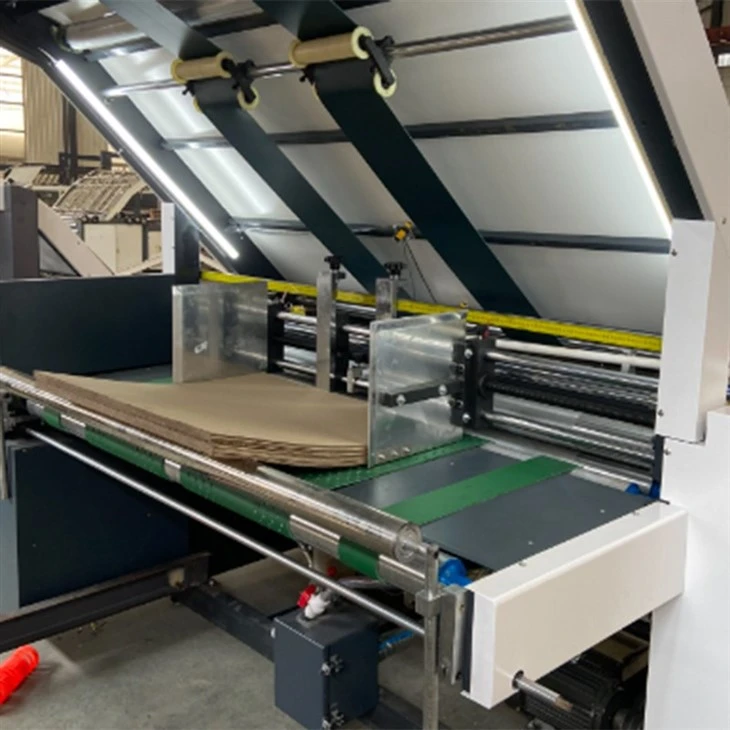
We also offer a Pre-Coated Laminating Film Recycling Machine that can help reduce waste and improve the sustainability of your production process. This machine can recycle the pre-coated laminating film, allowing you to reuse it in future production runs.
Conclusion
In conclusion, while operating a Flute Laminator Machine in a dusty environment can be challenging, it is possible with the right precautions and solutions. By implementing effective dust control measures, choosing the right machine, and performing regular maintenance, you can ensure the reliable operation of your machine and produce high-quality laminated products.
If you have any questions or need further information about our Flute Laminator Machines or our dust control solutions, please do not hesitate to contact us. We are committed to providing our customers with the best products and services, and we look forward to working with you to meet your production needs.
References
- "Industrial Dust Control: Principles and Practices" by John A. Clements
- "Packaging Machinery Handbook" by Charles W. Hall
- "Corrugated Board Manufacturing and Conversion" by David A. Bader