

Can a boxes gluing machine be used for gluing wooden boxes?
Nov 05, 2025
Can a boxes gluing machine be used for gluing wooden boxes? This is a question that many in the packaging and manufacturing industries often ponder. As a supplier of Boxes Gluing Machines, I am frequently asked about the versatility of our machines, especially in relation to wooden boxes. In this blog post, I will delve into the details of whether our boxes gluing machines can be used for gluing wooden boxes, exploring the technical aspects, limitations, and potential applications.
Understanding the Basics of Boxes Gluing Machines
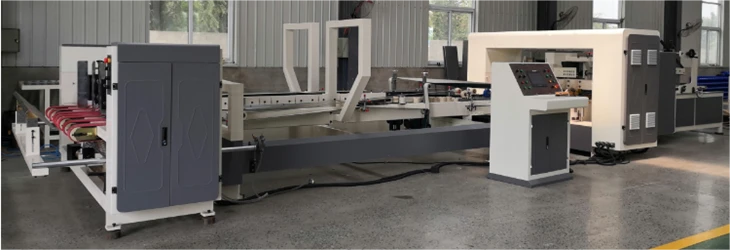
Before we discuss the suitability of using a boxes gluing machine for wooden boxes, it's important to understand what these machines are and how they work. Boxes gluing machines are designed to automate the process of gluing various types of boxes, including cardboard, paperboard, and sometimes plastic. These machines typically consist of a feeding system, a gluing unit, and a folding or assembling mechanism. The feeding system transports the box blanks to the gluing unit, where adhesive is applied to the appropriate areas. The folding or assembling mechanism then folds the box blanks and presses them together to form a complete box.
There are different types of boxes gluing machines available in the market, each with its own features and capabilities. For example, the Automatic Carton Gluing Nailing Integrated Machine combines the functions of gluing and nailing, providing a more secure and durable bonding for cartons. The Automatic Box Gluing Machine is a more basic model that focuses on the gluing process only, suitable for simple box designs. The Automatic Carton Folding Gluing Machine is specifically designed to fold and glue cartons, offering high precision and efficiency.
Factors to Consider When Using a Boxes Gluing Machine for Wooden Boxes
When considering using a boxes gluing machine for wooden boxes, several factors need to be taken into account. These factors include the type of wood, the surface finish of the wood, the type of adhesive, and the design of the wooden box.
Type of Wood
Different types of wood have different characteristics, such as density, porosity, and hardness. These characteristics can affect the adhesion of the adhesive and the performance of the gluing machine. For example, softwoods like pine and cedar are generally more porous and easier to glue than hardwoods like oak and maple. However, hardwoods are often more durable and can withstand greater stress. Therefore, it's important to choose the right type of wood for your application and ensure that the gluing machine is compatible with the wood.
Surface Finish of the Wood
The surface finish of the wood can also affect the adhesion of the adhesive. A smooth and clean surface is generally more conducive to good adhesion than a rough or dirty surface. Therefore, it's important to prepare the surface of the wood before gluing. This may involve sanding, cleaning, or priming the wood to ensure a smooth and clean surface.
Type of Adhesive
The type of adhesive used is crucial for the success of the gluing process. Different types of adhesives have different properties, such as strength, flexibility, and resistance to moisture. When gluing wooden boxes, it's important to choose an adhesive that is suitable for the type of wood and the application. For example, a polyurethane adhesive is often a good choice for gluing hardwoods, as it provides strong and durable bonding. A PVA adhesive, on the other hand, is more suitable for softwoods and is often used for lighter-duty applications.
Design of the Wooden Box
The design of the wooden box can also affect the performance of the gluing machine. For example, a box with complex folds or joints may require a more advanced gluing machine with greater precision and flexibility. Additionally, the size and shape of the box can also affect the feeding and gluing process. Therefore, it's important to consider the design of the wooden box when choosing a gluing machine.

Advantages of Using a Boxes Gluing Machine for Wooden Boxes
Despite the challenges and considerations, there are several advantages to using a boxes gluing machine for wooden boxes. These advantages include increased efficiency, improved quality, and reduced labor costs.
Increased Efficiency
A boxes gluing machine can automate the gluing process, which can significantly increase the production speed and efficiency. Compared to manual gluing, a gluing machine can apply adhesive more evenly and quickly, reducing the time and effort required to glue each box. This can result in a higher production output and a shorter lead time.
Improved Quality
A boxes gluing machine can provide more consistent and precise gluing results than manual gluing. The machine can control the amount of adhesive applied, the location of the adhesive, and the pressure applied during the gluing process. This can result in a stronger and more durable bond, reducing the risk of box failure or damage. Additionally, the machine can ensure that the boxes are glued in a uniform and professional manner, improving the overall appearance and quality of the product.
Reduced Labor Costs
By automating the gluing process, a boxes gluing machine can reduce the need for manual labor. This can result in significant cost savings, especially for large-scale production. Additionally, the machine can operate continuously, reducing the need for breaks and shift changes. This can further increase the production efficiency and reduce the labor costs.
Limitations of Using a Boxes Gluing Machine for Wooden Boxes
While there are several advantages to using a boxes gluing machine for wooden boxes, there are also some limitations. These limitations include the initial investment cost, the need for maintenance and calibration, and the limited flexibility.
Initial Investment Cost
A boxes gluing machine can be a significant investment, especially for small businesses or startups. The cost of the machine can vary depending on the type, size, and features of the machine. Additionally, there may be additional costs associated with installation, training, and maintenance. Therefore, it's important to carefully consider the cost-benefit analysis before purchasing a gluing machine.
Need for Maintenance and Calibration
A boxes gluing machine requires regular maintenance and calibration to ensure optimal performance. This may involve cleaning the machine, replacing worn parts, and adjusting the settings. Failure to perform regular maintenance and calibration can result in poor gluing results, reduced machine lifespan, and increased downtime. Therefore, it's important to have a maintenance plan in place and to train your staff on how to properly maintain and operate the machine.
Limited Flexibility
A boxes gluing machine is designed to perform a specific task, and it may not be suitable for all types of wooden box designs. For example, a machine that is designed for gluing rectangular boxes may not be able to handle irregularly shaped boxes. Additionally, the machine may have limitations in terms of the size and thickness of the boxes it can handle. Therefore, it's important to choose a gluing machine that is suitable for the specific requirements of your wooden box production.
Conclusion
In conclusion, a boxes gluing machine can be used for gluing wooden boxes, but it's important to consider the factors mentioned above and choose the right machine and adhesive for your application. While there are some challenges and limitations, the advantages of using a gluing machine, such as increased efficiency, improved quality, and reduced labor costs, can outweigh the disadvantages.
If you are interested in purchasing a boxes gluing machine for your wooden box production, I encourage you to contact us for more information. Our team of experts can help you choose the right machine for your specific needs and provide you with the support and training you need to ensure successful operation. We look forward to working with you to improve your production efficiency and quality.
References
- Packaging Machinery Manufacturers Institute (PMMI). (2023). Packaging Machinery Technology Trends.
- Woodworking Network. (2023). Guide to Wood Adhesives.
- Adhesive and Sealant Council. (2023). Adhesive Selection Guide.